Beyond the Shaker: Why Umami-Packed Salts Are Taking Over American Home Kitchens
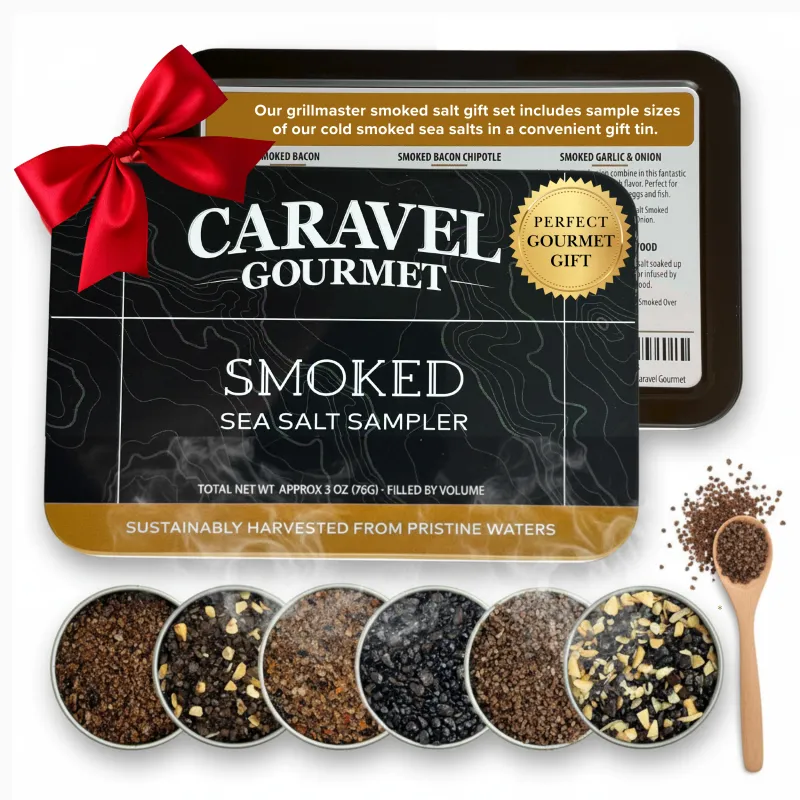
Photo: specialty sea salt varieties smoked flaky mineral close up gourmet kitchen, via thetablegourmet.com
There's a moment that happens in a lot of home kitchens. You follow a recipe perfectly — good ingredients, proper technique, correct timing — and the dish still tastes like something's missing. You add more salt. Still flat. More pepper. Closer, but not quite there. Sound familiar?
What you might actually be chasing is umami, the so-called "fifth taste" that food scientists identified decades ago but that most American home cooks are only now starting to understand on a practical level. And here's the interesting part: a growing number of specialty salts are delivering that elusive depth of flavor in ways that plain table salt simply can't.
What Umami Actually Means (And Why Salt Is Part of the Story)
Umami is often described as savory, rich, or meaty — the kind of flavor that makes you want another bite before you've finished the first one. It's triggered by naturally occurring compounds called glutamates and nucleotides, found in foods like aged cheeses, soy sauce, mushrooms, tomatoes, and cured meats.
Salt, on its own, doesn't contain glutamates. But here's where food science gets genuinely fascinating: the right kind of salt can amplify umami compounds already present in your ingredients, making them more perceptible to your taste buds. Sodium ions suppress bitterness and enhance sweetness and savoriness simultaneously. So when you use a salt that's also bringing its own complexity — mineral content, smoke compounds, fermented elements — you're essentially stacking flavor layers in a way that basic iodized salt was never designed to do.
Dr. Gary Beauchamp, a sensory scientist who has spent decades studying taste perception, has noted that sodium's role in flavor enhancement goes far beyond simple "saltiness." It's a flavor catalyst. The question is what you're catalyzing it with.
Smoked Sea Salt: The Crowd-Pleaser With Depth
If there's one specialty salt that's converted the most skeptics in recent years, it's smoked sea salt. Cold-smoked over real wood — alderwood, hickory, applewood, cherry — these salts carry genuine smoke compounds (phenols, carbonyls) that interact with proteins and fats during cooking in a way that liquid smoke or smoked paprika simply can't replicate.
Chef Marcus Webb, who runs a popular cooking channel out of Austin, Texas, puts it plainly: "I started using smoked sea salt on my brisket rub about two years ago, and people kept asking what I was doing differently. I wasn't doing anything differently. I just changed the salt."
The practical applications are wide. A pinch of smoked sea salt on a fried egg transforms breakfast. Stirred into a vinaigrette, it adds a campfire-adjacent warmth that pairs beautifully with bitter greens. On roasted sweet potatoes or caramelized onions, it creates a savory-sweet tension that's almost addictive. The key is restraint — smoked salt is a finishing salt, not a cooking salt. Add it at the end, and let it do its thing.
Miso Salt and Fermented Varieties: The Umami Multipliers
Miso-infused salts are a newer entry to the American specialty market, and they're arguably the most direct umami delivery system available to home cooks. Miso itself is a fermented soybean paste loaded with glutamic acid — the same compound responsible for the savory depth in Parmesan cheese and slow-cooked meat stocks. When miso is blended with sea salt and dried, you get a seasoning that brings fermented complexity without any of the moisture or strong flavor that straight miso can introduce.
Home cook and food blogger Priya Natarajan, based in the Bay Area, has been experimenting with miso salt for about eighteen months. "I use it in places where I'd normally reach for soy sauce but don't want the liquid," she says. "Dry rubs, compound butters, even popcorn. It's got this nutty, slightly sweet funk that makes everything taste more intentional."
In side-by-side taste tests conducted informally at Salt Shaq, we compared roasted chicken thighs seasoned with standard kosher salt versus miso salt. The difference was notable even to tasters who didn't know what they were evaluating — the miso-salted version had a more pronounced browning, a richer pan dripping, and a savory finish that lingered longer on the palate.
Mineral-Dense Salts: Complexity From the Earth Up
Not all umami-adjacent flavor comes from fermentation or smoke. Some of it comes straight from geology. Mineral-rich salts — think black lava salt from Hawaii, pink Himalayan salt, or grey Celtic sea salt — contain trace elements like magnesium, calcium, potassium, and iron that affect both flavor perception and texture.
The mineral content in these salts is relatively low in absolute terms, but it's enough to shift the flavor profile. Grey Celtic salt, for instance, has a slightly briny, almost oceanic quality that enhances seafood and vegetables in ways that feel more natural and less "salty." Black lava salt, finished with activated charcoal, has a mild earthiness and a dramatic visual impact that makes it ideal as a finishing salt on sushi, avocado toast, or grilled fish.
The texture matters too. Larger, irregular crystals dissolve more slowly on the tongue, creating a burst of flavor that's more dynamic than the uniform hit from fine table salt. This textural dimension is part of why professional chefs have long preferred flaky finishing salts — it's not just about looking fancy. It's about how flavor is actually delivered.
Matching the Salt to the Dish
One of the most common questions we get at Salt Shaq is simple: which salt should I actually use for what? Here's a practical breakdown:
- Smoked sea salt: Best for grilled meats, roasted vegetables, eggs, dark chocolate desserts, and anywhere you want a subtle smokehouse note without the grill.
- Miso salt: Ideal for dry rubs, butter, pasta, popcorn, grain bowls, and anywhere you'd normally want depth but not liquid seasoning.
- Black lava salt: A finishing salt for sushi, fish, eggs, avocado, and any dish where visual drama matters as much as flavor.
- Grey Celtic sea salt: Works beautifully with seafood, salads, steamed vegetables, and bread baking where a moist, mineral-forward salt enhances without overwhelming.
- Himalayan pink salt: Versatile for everyday cooking, particularly good for seasoning meat before a long cook or in dishes where a slightly sweeter mineral note is welcome.
The Bigger Shift Happening in American Kitchens
What's driving this specialty salt moment isn't just foodie culture or social media aesthetics, though those are certainly factors. It's a broader shift in how Americans are thinking about cooking at home. The pandemic years pushed millions of people to cook more seriously, and many discovered that great results often come down to ingredients rather than technique. Salt — something most of us never thought twice about — turned out to be one of the highest-leverage upgrades available.
The umami-rich salt category is still relatively young in the American market, but it's growing fast. And for good reason: these products deliver a noticeable, reproducible flavor improvement that doesn't require any new skills or equipment. You just use them.
That's the kind of upgrade worth keeping on the counter.