Which Salt Goes With That? A Seasonal Guide to Finishing Salts and Wine
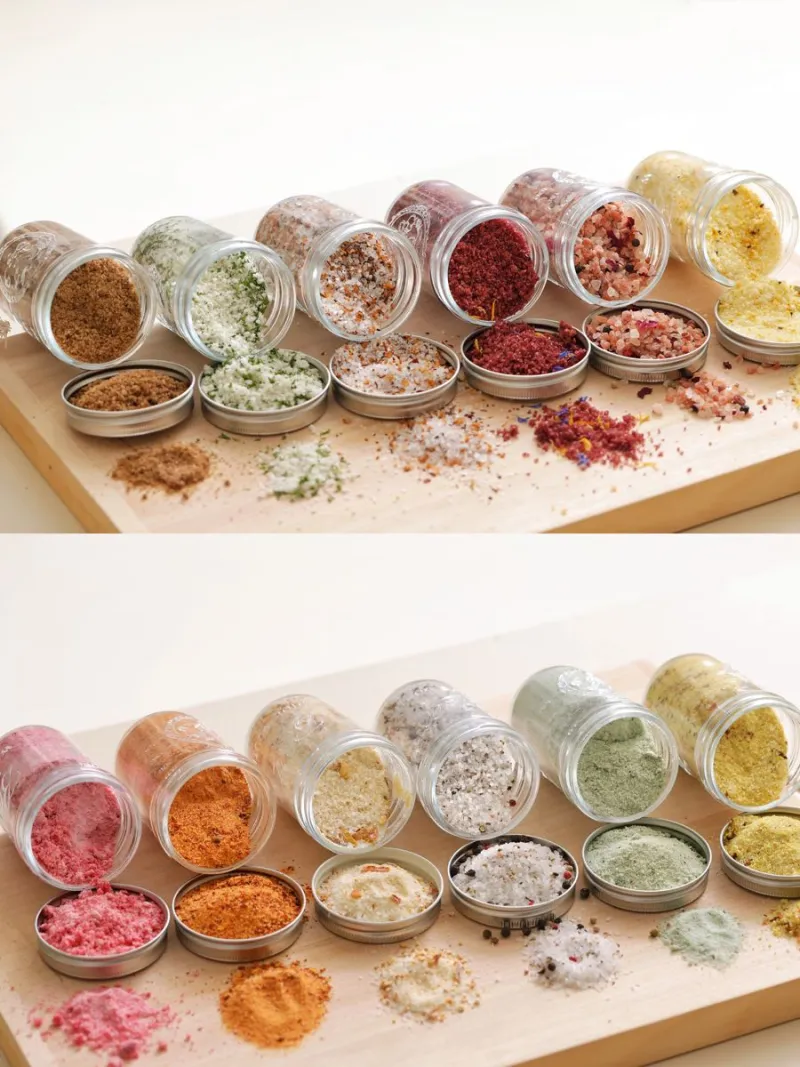
Photo: assorted specialty finishing salts with seasonal vegetables and wine glass on wooden table, via i.pinimg.com
Here's something most home cooks don't think about until they've already plated the food: the finishing salt you choose is just as intentional as the wine you pour. Both carry distinct mineral profiles, textures, and intensities. When they work together—fleur de sel landing on a grilled peach right as you uncork a rosé—the result is something that feels almost accidental in the best possible way.
But it doesn't have to be accidental. Once you understand the basics of how different salts interact with seasonal produce and the structural elements of wine (acidity, tannin, sweetness), pairing them becomes intuitive. Think of it less like following rules and more like learning a new flavor language.
Let's break it down by season.
Spring: Delicate Flavors Deserve a Gentle Touch
Spring produce is tender, bright, and easy to overpower. We're talking asparagus, snap peas, radishes, ramps, and early lettuces. These ingredients don't need much—they need the right thing.
Fleur de sel is the go-to here. Harvested by hand from the surface of salt ponds (most famously in Brittany, France, though quality American versions exist too), fleur de sel has a light, almost floral quality and a satisfying crunch that doesn't bulldoze delicate greens. A pinch over a simple radish-and-butter tartine? That's spring on a plate.
For wine, spring dishes often lean toward crisp whites—Sauvignon Blanc, Albariño, or a grassy Grüner Veltliner. These wines share spring's brightness, and fleur de sel's subtle oceanic note bridges the mineral quality in those bottles beautifully. The salt doesn't compete; it converses.
If you're doing a spring pasta with fresh peas and ricotta, try finishing with Cyprus flake salt—those dramatic pyramid-shaped crystals dissolve slowly and add a clean salinity that lets the sweetness of the peas sing without disappearing into the background.
Summer: Bold Heat Calls for Salts With Character
Summer is grill season, stone fruit season, tomato season. Flavors are intense, smoky, and ripe. This is when you can afford to go bolder with your salt selection.
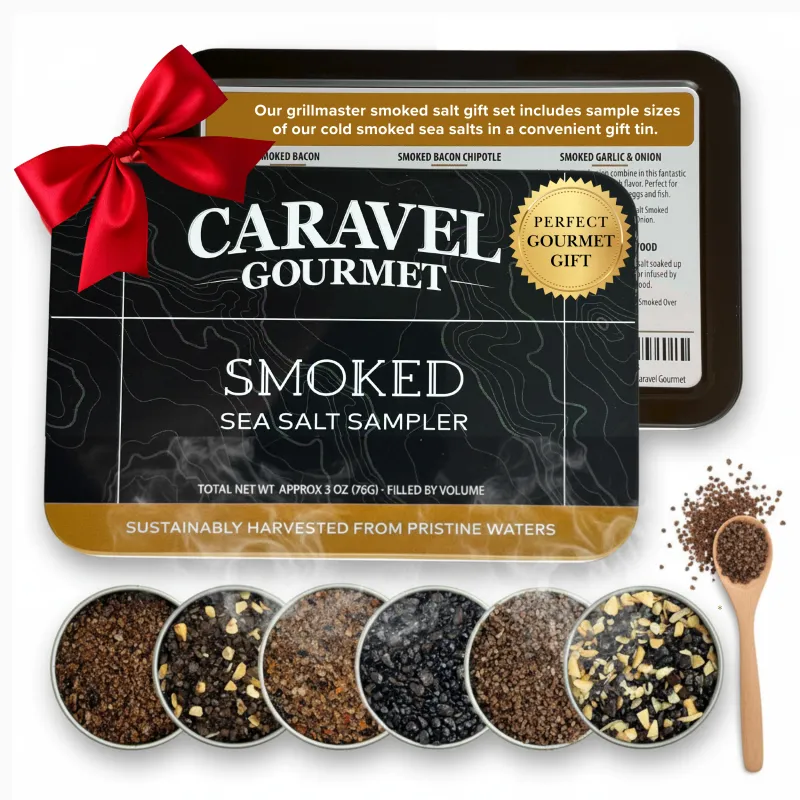
Smoked sea salt is a summer essential. Whether you're finishing a burger, a corn on the cob slathered in herb butter, or a thick slice of heirloom tomato, smoked salt amplifies the char and sweetness already happening on the plate. It's not subtle, and it's not trying to be.
Pairing with wine in summer means thinking about structure. A Zinfandel or a Syrah can handle smoked salt's intensity—both wines carry peppery, smoky notes of their own, and the salt reinforces rather than clashes. If you're going lighter with a grilled fish or shrimp skewer, a Hawaiian black lava salt adds visual drama and a mild earthiness that pairs nicely with a chilled Viognier or even an off-dry Riesling when stone fruit is involved.
One underrated summer move: finishing a slice of watermelon with Himalayan pink salt and a squeeze of lime. The salt's mild mineral sweetness plays off the fruit's natural sugars, and alongside a glass of sparkling rosé, it becomes a bona fide warm-weather moment.
Fall: Richness Needs Contrast
Once September rolls in and you're reaching for butternut squash, root vegetables, and braised meats, the flavor profile shifts dramatically. Everything gets deeper, more savory, more complex. Your salt game needs to keep up.
Himalayan pink salt is a reliable autumn workhorse—its slightly mineral, mildly sweet profile complements the earthiness of roasted beets, sweet potatoes, and parsnips without adding unnecessary sharpness. But for finishing, consider truffle salt or a porcini-infused sea salt on roasted mushrooms or a fall risotto. The umami layering here is substantial, and it makes humble ingredients feel genuinely luxurious.
Autumn wines tend toward fuller-bodied reds—Pinot Noir, Merlot, Nebbiolo. These wines have enough structure to stand up to earthy salts without getting steamrolled. A Pinot Noir alongside a mushroom-forward dish finished with truffle salt is one of those combinations that makes you wonder why you ever bothered with plain table salt.
For Thanksgiving specifically, celery salt or a herb-blended sea salt on roasted turkey skin creates a savory crust that works beautifully with the cranberry-forward acidity of a Beaujolais or a lighter domestic Pinot.
Winter: Comfort Food Deserves Complexity
Winter cooking is about warmth, depth, and satisfaction. Braised short ribs, roasted root vegetable gratins, dark chocolate desserts, slow-cooked stews. These dishes already have layers—your salt should add one more.
Sel gris (gray salt), with its higher moisture content and robust mineral character, is built for winter. It's less refined than fleur de sel, more assertive, and it stands up to the bold flavors of a long braise or a bone-in lamb shoulder without disappearing. Use it as a finishing salt right at the table for maximum impact.
For something unexpected, try red Alaea Hawaiian salt on roasted carrots or a beef stew. The volcanic clay minerals give it a distinctly earthy, slightly nutty quality that deepens winter's already-cozy flavor palette.
Wine pairing in winter often goes bold—Cabernet Sauvignon, Malbec, Barolo. Sel gris and Alaea salt have enough mineral weight to hold their own next to these tannic heavyweights. The salt softens the perception of tannin while the wine's dark fruit notes amplify the salt's earthiness. It's a two-way street.
For dessert, a pinch of Himalayan pink salt or a flaky Maldon-style sea salt on dark chocolate brownies or a salted caramel tart is one of the most effective flavor tricks in the book. Alongside a glass of Tawny Port or a rich Sauternes, the contrast between salt and sweet becomes genuinely addictive.
The Takeaway: Salt Is the Seasoning You Forgot to Pair
Most of us spend real time thinking about which wine to open with dinner. We consider the grape, the region, the vintage. But the finishing salt on the plate? That usually gets grabbed from whatever's closest to the stove.
The thing is, specialty salts are one of the most affordable ways to seriously upgrade your cooking—and when you start matching them intentionally to seasonal ingredients and the wines already on your table, the results are genuinely noticeable. Not in a show-offy way. Just in a why does this taste so good kind of way.
Start with one or two salts outside your comfort zone—maybe a fleur de sel and a smoked sea salt—and experiment through the seasons. Pay attention to what the salt does to the food and how that interacts with whatever's in your glass. You'll develop instincts faster than you think.
And when someone at your table asks what you did differently, you can just smile and say you salted it right.