Salting Vegetables Before Cooking: The Rule You've Been Breaking Wrong
Somewhere along the line, home cooks picked up a firm conviction: salt vegetables too early and you've ruined them. Water leaches out, textures go limp, and your beautiful produce turns into a soggy mess before it ever hits the pan. It's the kind of kitchen wisdom that sounds reasonable, gets passed around confidently, and — like a lot of cooking rules — is only partially true.
The reality is messier and way more interesting. Whether salting early helps or hurts your vegetables depends on the specific vegetable, how much water it naturally holds, what cooking method you're using, and what kind of result you want. Once you understand what's actually happening at the molecular level, you stop fearing salt and start using it as the precision tool it really is.
What Osmosis Is Actually Doing to Your Vegetables
When salt hits a vegetable's surface, osmosis kicks in almost immediately. Salt draws moisture from inside the cells toward the surface, where concentration is higher. That's the mechanism behind the dreaded "soggy vegetable" warning — and it's real. But here's the part people skip over: what happens after that moisture moves matters enormously.
If you salt a vegetable and let it sit, you'll see liquid pooling on the surface. That's not just water — it's water carrying dissolved sugars, starches, and flavor compounds from inside the cell. When that liquid is eventually reabsorbed (which happens as concentration equalizes), the vegetable ends up more thoroughly seasoned than if you'd salted it right before cooking. The salt has worked its way in, not just coated the outside.
For some vegetables, this process is your best friend. For others, it's a legitimate problem. The difference comes down to cell structure, water content, and how you plan to apply heat.
Cruciferous Vegetables: Salt Early, Thank Yourself Later
Broccoli, cauliflower, Brussels sprouts, cabbage — these dense, tightly structured vegetables can handle early salting without falling apart. Their cell walls are thick and fibrous enough that a bit of moisture loss doesn't translate to mushiness. What it does do is season them from the inside out before they ever touch a hot surface.
Try this: salt your broccoli florets about 15 to 20 minutes before roasting. Pat them dry before they go in the oven. What you'll get is a vegetable that's seasoned through to its core, with a drier surface that's primed for the Maillard reaction — that beautiful browning process that turns a bland floret into something with actual depth and caramelized edges. Skipping the early salt and seasoning only at the end means you're working with a vegetable that tastes of salt on the surface but bland in the middle.
A flaky finishing salt added right before serving can add a pleasant crunch on top, but it's not a substitute for the foundational seasoning you build by salting early.
Leafy Greens: Timing Is Everything (and It's Fast)
Leafy greens are a different story. Spinach, kale, Swiss chard, and similar vegetables have a high water content and relatively fragile cell structure. Salt them too far in advance and you'll be cooking a wilted, waterlogged pile instead of something with any structure left.
But "don't salt early" doesn't mean "salt at the very end." For greens going into a sauté pan, the sweet spot is salting right as they hit the heat. The salt accelerates moisture release while the heat simultaneously drives that moisture off as steam. You get a properly seasoned green that cooks down without becoming a soggy heap.
For raw salads with leafy greens, the advice flips again. Salt a dressed salad and walk away, and you'll come back to a sad, limp situation. Season right before serving and toss immediately. The goal here isn't osmosis — it's a light coating that enhances flavor without compromising texture.
Root Vegetables: The Long Game Pays Off
Carrots, parsnips, beets, turnips — root vegetables are dense, starchy, and relatively low in free water compared to something like a zucchini. That makes them excellent candidates for extended pre-salting, especially if you're roasting.
Salting root vegetables 30 minutes to an hour before they go into the oven draws out a small amount of surface moisture, which you then pat away. What you're left with is a drier exterior that browns faster and more evenly, while the interior stays tender and well-seasoned. This is one of those techniques that feels counterintuitive until you do it side-by-side with an unsalted batch — the difference in caramelization and flavor depth is hard to argue with.
For root vegetables going into a braise or stew, the calculus changes. Here, you're not after browning — you're after the vegetable slowly releasing its flavor into the surrounding liquid. In that context, salting the vegetable separately matters less because the liquid itself is doing the seasoning work. Focus your salt energy on building a well-seasoned broth or braising liquid instead.
High-Water Vegetables: Let Osmosis Work For You
Zucchini, eggplant, cucumbers, and tomatoes are the vegetables that gave early salting its bad reputation — and honestly, for good reason if you're not paying attention. These vegetables have such high water content that osmosis works aggressively. Salt them and walk away, and you'll come back to a puddle.
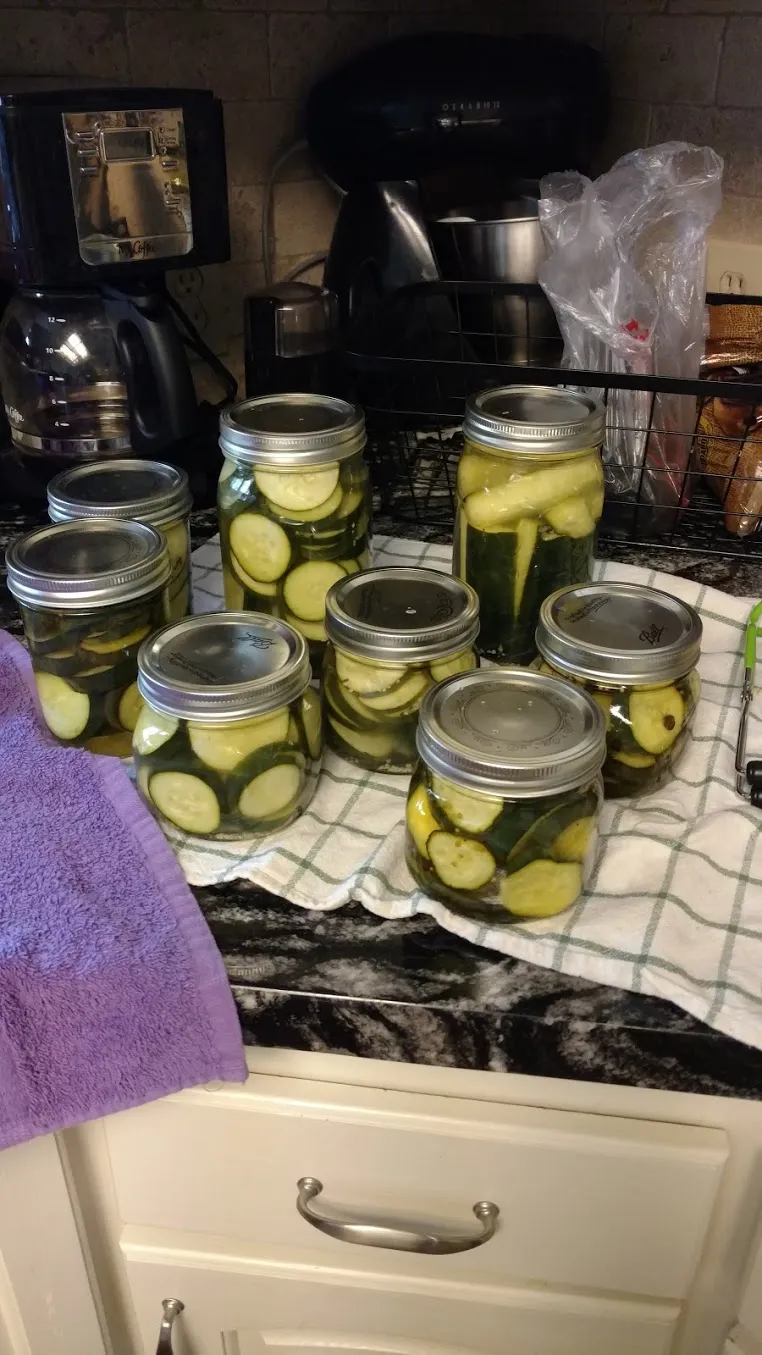
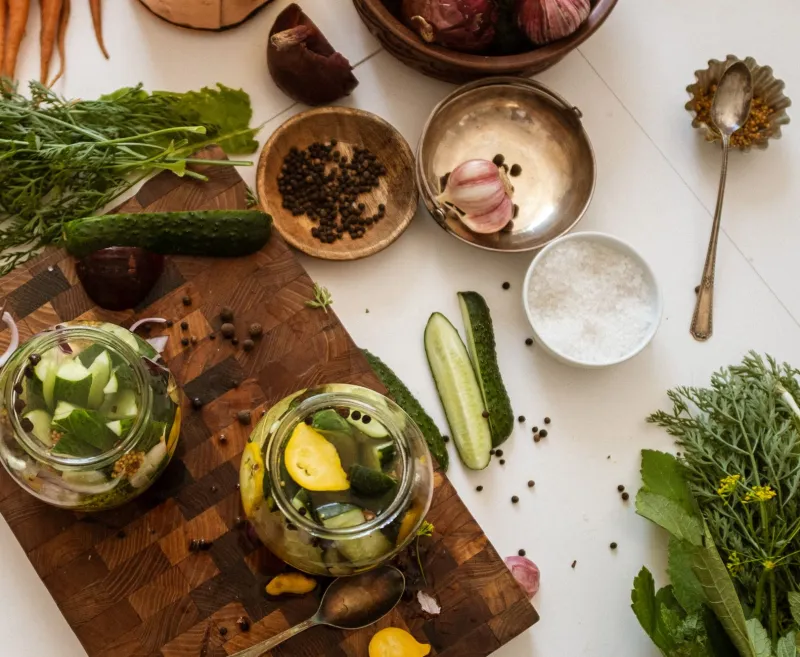
But for certain preparations, that's exactly what you want. Salting sliced eggplant before a sauté draws out the bitter compounds along with the moisture. Salting cucumber slices before adding them to a yogurt-based salad concentrates their flavor and prevents them from watering down the dressing. Salting tomatoes for a bruschetta topping before piling them on bread lets you drain off excess liquid so you don't end up with soggy toast.
The trick is intentionality. When you salt these vegetables early, do it on purpose, drain the liquid that comes out, and pat them dry. You're not making a mistake — you're using osmosis as a prep tool.
The Maillard Reaction and Why Dry Surfaces Win
One thing that ties all of this together is the Maillard reaction. Browning — the kind that creates roasted, caramelized, nutty flavors — requires a dry surface and high heat. Moisture is the enemy of browning because water has to evaporate before the surface temperature can climb high enough to trigger the reaction.
This is why the "salt early, pat dry" method works so well for roasting. You're using salt to pull moisture out in a controlled way before cooking, then removing that moisture before the vegetable hits the oven. The result is faster, more even browning with deeper flavor than you'd get from a vegetable that went into the oven damp.
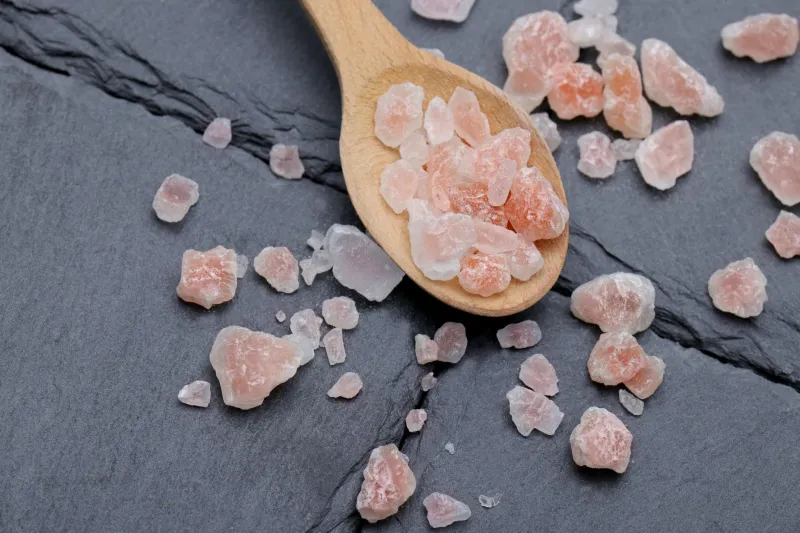
A coarse salt — something with a bit of texture and mineral character — works especially well here because it draws out moisture without dissolving immediately into a paste. Once you've patted the vegetable dry, a final pinch of something flaky right before serving adds that textural contrast that makes a roasted vegetable feel finished rather than just done.
Salt With a Plan, Not a Rule
The takeaway isn't that you should always salt early or always salt late. It's that salt timing is a variable you can actually control once you understand what it's doing. Think about the vegetable, think about the cooking method, think about the texture you're after — and then salt accordingly.
That's the difference between cooking by rule and cooking by understanding. And once you're in that second camp, a well-stocked salt collection stops feeling like an indulgence and starts feeling like the practical toolkit it actually is.