Raise a Glass (and a Pinch): How Specialty Salts Transform Your Craft Beverage Game
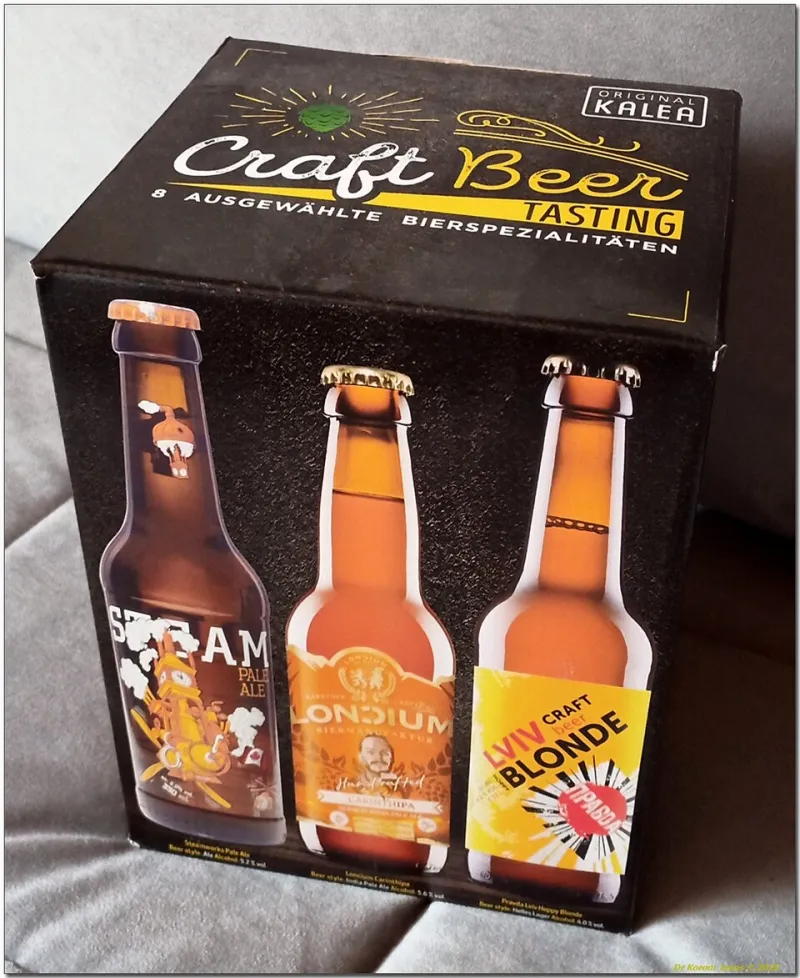
Photo: János Korom Dr. >17 Million views from Wien, Austria, CC BY-SA 2.0, via Wikimedia Commons
Most people think about salt the moment a dish hits the plate. But here's a little secret that bartenders, baristas, and competitive tasters have quietly known for years: salt changes beverages just as dramatically as it changes food. We're not talking about the classic margarita rim (though, respect). We're talking about a whole new level of intentional pairing — the kind that turns a Saturday night tasting spread into something people talk about for weeks.
At Salt Shaq, we spend a lot of time thinking about how premium salts interact with flavor. And when it comes to craft beverages, the science is genuinely fascinating and the results are delicious.
Why Salt Works in a Glass
Before we get into the fun part, it helps to understand what's actually happening when salt meets a beverage. Salt suppresses bitterness — that's well-documented food science. It also amplifies sweetness and enhances aroma compounds, which is why a tiny pinch can make a cup of coffee taste fuller or a dark stout taste richer without adding a single calorie of sweetness.
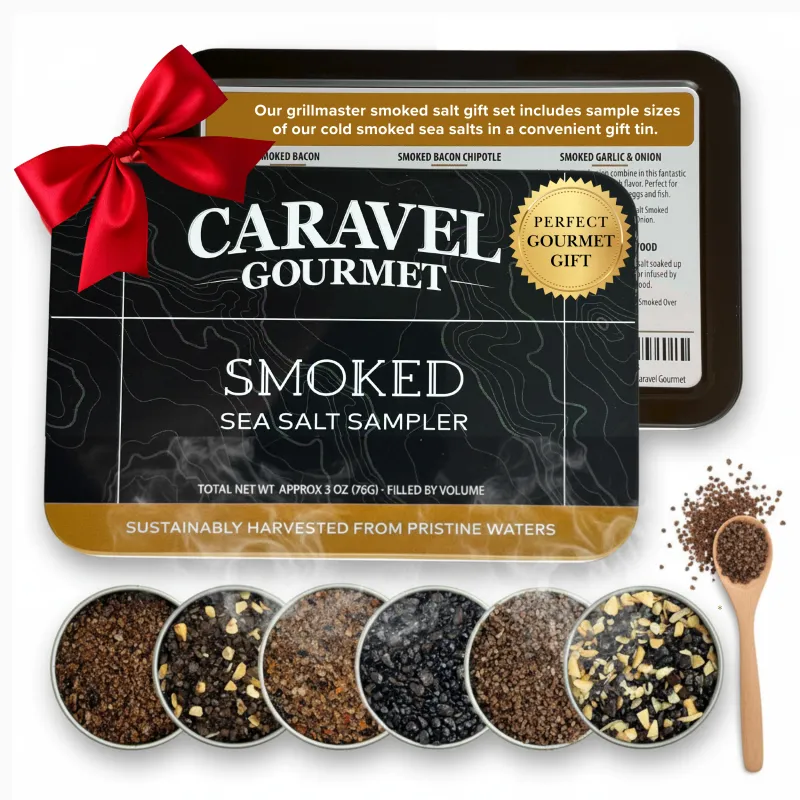
Different salts bring different mineral profiles to the table. A flaky sea salt from the Atlantic coast carries a clean, bright salinity. A smoked salt leans into char and depth. A Hawaiian black lava salt adds earthy, activated-charcoal undertones. These aren't interchangeable, and that's exactly the point. Matching the mineral character of a specialty salt to the flavor profile of a craft beverage is where the real magic happens.
Craft Beer: The Most Forgiving (and Rewarding) Partner
Craft beer is practically begging to be paired with specialty salts. Brewers already use water chemistry — which is essentially mineral content — to define regional beer styles. Burton-on-Trent ales are sulfurous and crisp. Munich lagers are soft and malty. You're essentially continuing that tradition when you finish a beer with the right salt.
IPAs and West Coast Pale Ales are bitter-forward, which means they respond beautifully to salt's bitterness-suppressing qualities. Try a small pinch of citrus-infused sea salt on the rim of your pint glass, or dissolved into a small palate-cleansing water between sips. The bitterness softens, the hop aroma opens up, and the whole beer feels more balanced.
Stouts and Porters are where smoked salts absolutely shine. The roasted malt character in a good imperial stout already flirts with campfire and dark chocolate notes. A whisper of applewood smoked salt stirred into a tasting portion amplifies those deep, savory undertones without overwhelming the brew. It's the same reason a pinch of salt in chocolate cake batter makes the whole thing taste more chocolatey.
Sours and Goses — these are already brewed with salt in the German tradition, so you're on familiar ground. A finishing pinch of a floral or mineral-forward salt, like a Himalayan pink or a French fleur de sel, can round out the tartness and add a satisfying finish that makes each sip feel complete.
Artisanal Spirits: Small Batches Deserve Thoughtful Pairings
The craft distillery scene in the US has exploded over the last decade, and these small-batch producers put enormous care into flavor development. Pairing specialty salts with spirits isn't about dumping salt into your whiskey — it's about using salt as a palate tool that helps you taste more of what's already there.
Bourbon has a natural sweetness from the corn mash and the charred oak barrel. A touch of vanilla black salt (yes, that's a real thing and it's incredible) on the back of your hand — tasted before a sip — primes your palate to catch the caramel and vanilla notes that make American bourbon so distinctive. It's a trick that some whiskey educators use at tastings, and it genuinely works.
Mezcal is smoky, complex, and earthy by nature. It's practically made for smoked or mineral-heavy salts. In Mexico, sal de gusano — a traditional worm salt — is the classic companion, but stateside you can get a similar effect with a volcanic Hawaiian salt or a coarse smoked sea salt. The earthiness mirrors the agave's terroir and creates a cohesive tasting experience.
Gin is all about botanicals, and a delicate floral salt can echo those herbal and floral notes. Try a light pinch of lavender-infused sea salt alongside a floral gin and tonic. The salt doesn't fight the botanicals — it amplifies them.
Coffee: The Underrated Pairing That Changes Everything
If you haven't tried a small pinch of salt in your coffee, you're missing out on one of the easiest flavor upgrades in your kitchen. The science is solid: salt neutralizes the chlorogenic acid that makes coffee taste bitter, especially in darker roasts or over-extracted brews.
But we can go further than just "less bitter coffee." Pairing the right salt with specific roast profiles creates genuinely different tasting experiences.
Light roasts are fruity and bright, with acidity that can feel sharp. A clean, delicate fleur de sel enhances the fruit notes without muddying the clarity. Think of it as seasoning a fresh salad — you want something that lifts, not overwhelms.
Dark roasts are where smoked or mineral salts do their best work. A pinch of black lava salt in a dark French press brew adds an almost chocolatey depth that makes the coffee feel richer and more complex.
Cold brew is already low-acid and naturally sweet, but a tiny amount of a flavored salt — think cinnamon-infused or citrus sea salt — can turn a glass of cold brew into something that feels like a craft coffee shop experience without leaving your kitchen.
Tea: A Quiet Tradition Worth Reviving
Salted tea has a long history across Central Asia and parts of Tibet, where butter tea with salt has been a staple for centuries. In the US, it's still a pretty niche concept, but it's worth exploring — especially with the growing specialty tea market.
Black teas — Assam, Darjeeling, English Breakfast — have tannins that can feel astringent. A small amount of a clean sea salt softens those tannins and makes the tea feel smoother and more rounded. It's a subtle shift, but once you taste it, you'll wonder why you waited so long.
Herbal and floral teas pair beautifully with light, mineral salts. A chamomile or hibiscus tea with a pinch of fleur de sel takes on a more complex, almost savory-sweet dimension that makes it feel far more sophisticated than your average evening cup.
Building Your Tasting Spread
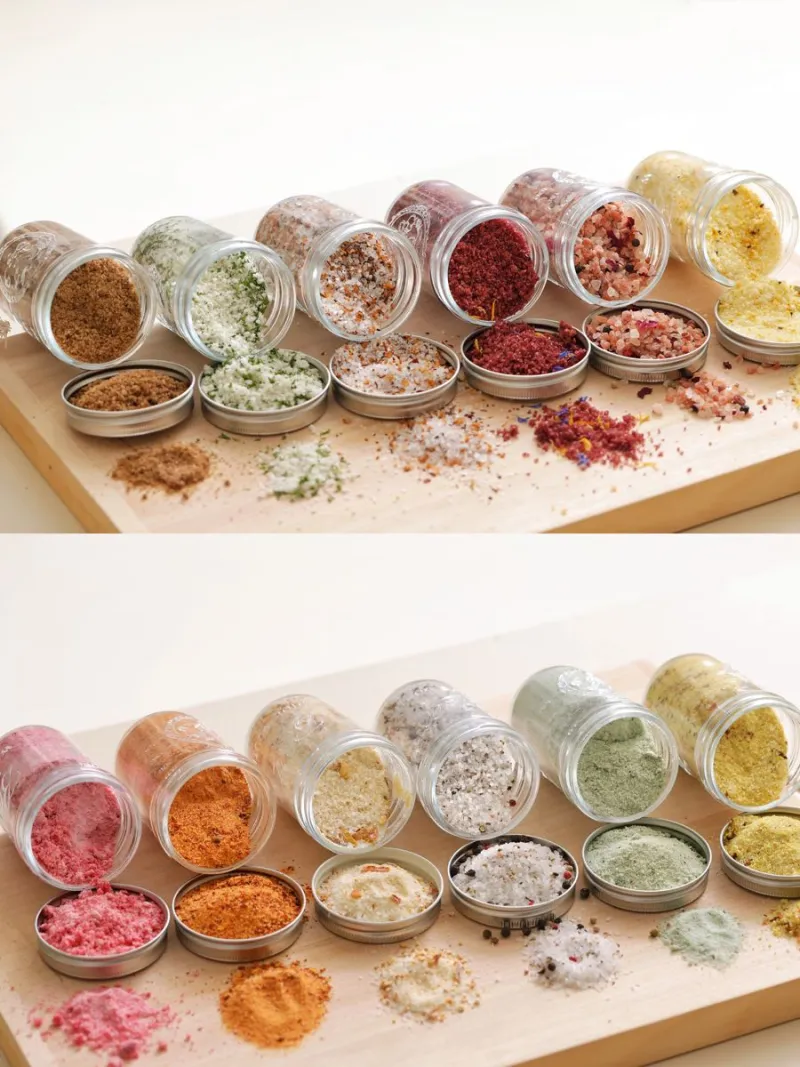
The best part of all of this? It's incredibly easy to set up a salt-and-beverage tasting at home. Grab four or five specialty salts with distinct profiles — a smoked salt, a flaky sea salt, a mineral-heavy lava salt, a flavored option like citrus or vanilla — and line them up alongside your craft beers, a couple of spirits, and your morning coffee.
Let your guests experiment. Encourage small pinches, not big dumps. Talk about what changes and what doesn't. It's the kind of low-key, high-reward entertaining that makes people feel like they learned something without sitting through a lecture.
At Salt Shaq, we believe that premium salt is a tool, not a garnish. And when you start applying that philosophy to what's in your glass, a whole new dimension of flavor opens up. Cheers to that.