Your Kitchen, Your Lab: Building a Specialty Salt and Spice Cabinet That Actually Reflects How You Cook
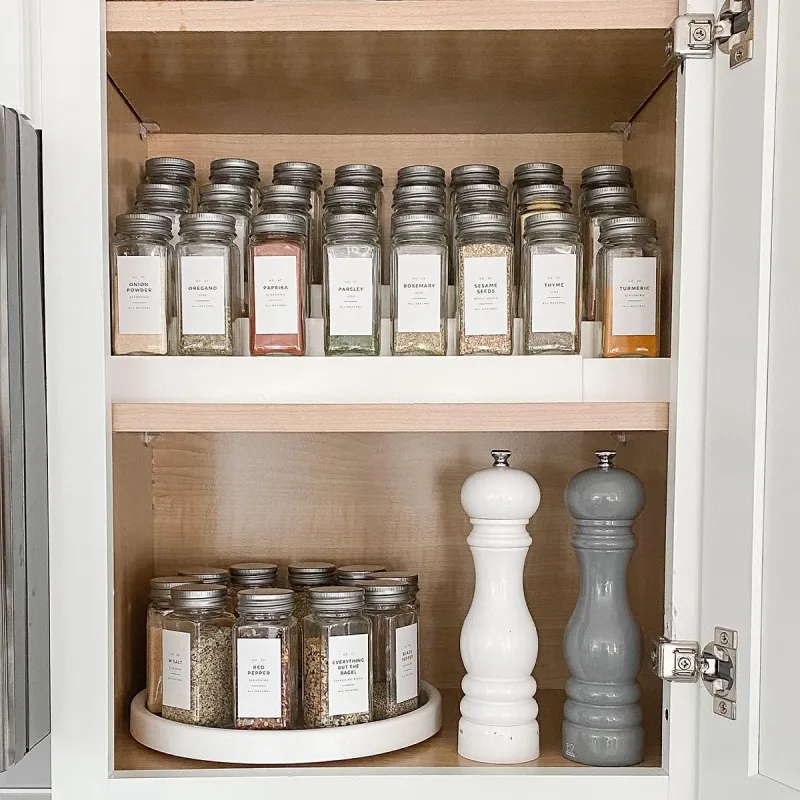
Photo: organized spice cabinet with specialty salts and spices jars home kitchen, via www.familyhandyman.com
There's a cabinet in almost every American kitchen that tells the whole story: a dusty jar of garlic powder from 2019, a half-empty bottle of "Italian seasoning," and a single blue canister of iodized table salt that's been sitting there since the Obama administration. No judgment — that's most of us. But if you've started paying attention to what actually makes food taste good, you already know that cabinet is holding you back.
Building a real salt and spice collection isn't about buying everything at once or chasing every trend. It's about understanding your own cooking instincts well enough to stock what you'll actually use — and then learning to use it better. Think of it less like shopping and more like setting up a personal flavor lab.
Start With Salt, Not Spices
Here's something most cooking guides get backwards: they treat salt as a given and spend all their energy on spices. But salt is the foundation. It doesn't just season food — it activates flavor compounds, draws out moisture, balances bitterness, and changes the way your tongue perceives everything else in the dish. Getting your salt selection right first makes every spice decision that follows more effective.
For a functional home collection, you want at least three distinct salts doing different jobs:
A kosher or coarse sea salt for cooking. This is your workhorse — the one you reach for when seasoning pasta water, brining chicken, or building a crust on a steak. Diamond Crystal and Morton are the two most common kosher salts in the US, and they're genuinely different in salinity and texture, so pick one and learn it.
A fine salt for baking and precision. Flaky salts don't dissolve evenly in doughs and batters. A fine-grain sea salt gives you consistent results when a recipe calls for measured amounts.
A finishing salt for the final touch. This is where things get interesting. Flaky finishing salts — think Maldon-style flakes, smoked sea salts, or mineral-rich specialty options — add texture, visual contrast, and a last burst of flavor right before a dish hits the table. This is the salt you taste as salt, and it's worth spending a little more here.
Once you have those three categories covered, you can start expanding into flavored salts, infused blends, and regional varieties that reflect what you like to cook.
The Tasting Framework: Know What You're Working With
Professional chefs don't just grab and go — they taste their ingredients before building with them. You should too. Set aside 20 minutes to actually taste the salts and spices you own (or plan to buy) on their own, without food.
For salts, touch a small pinch to the tip of your tongue and let it dissolve slowly. Notice the initial hit — is it sharp and immediate, or does it build gradually? Pay attention to any mineral undertones, smokiness, or sweetness. A Hawaiian black lava salt has an earthy, almost sulfuric depth. A Himalayan pink salt tends to be milder and slightly mineral. A smoked salt announces itself immediately. These aren't subtle differences once you're paying attention.
For spices, smell before you taste. Most of what we perceive as flavor is actually aroma, and a spice that doesn't smell like much when you open the jar isn't going to do much in your food. If a spice smells like cardboard or nothing at all, it's past its prime.
Keep a simple notes app or a small notebook in the kitchen. Jot down what you notice. This sounds fussy, but it builds a mental library of flavors that makes you faster and more intuitive over time.
Storage Is Not Glamorous, But It Matters
Light, heat, and moisture are the three things that destroy spice quality fastest — and most American kitchens store spices directly above the stove, which hits all three. If you want your collection to actually perform, rethink where it lives.
Ideal storage is in a cool, dry, dark spot: a drawer, a low cabinet away from the oven, or a dedicated shelf that doesn't get direct sunlight. Airtight containers make a real difference, especially for salts that tend to clump in humidity.
For specialty salts specifically, avoid metal containers — some salts can react with metal over time and pick up off-flavors. Glass jars or ceramic crocks are the move. Label everything with the purchase date, not just the name. A general rule of thumb: whole spices stay potent for about two to three years; ground spices lose most of their punch within a year. Salts, being minerals, don't technically expire, but flavored and smoked salts can lose their infused character over time.
Building Your Flavor Identity
Here's where the lab metaphor really kicks in. Once you have a solid base of quality salts and fresh spices, the goal isn't to follow recipes exactly — it's to start noticing your own tendencies.
Do you always reach for smoked paprika? You're probably drawn to that low, campfire-adjacent warmth. Do you pile on black pepper and red chili flakes? You like heat as a top note. Do you find yourself finishing everything with a squeeze of citrus and a flaky salt? You're chasing brightness and contrast.
Pay attention to those patterns. They're the beginning of a personal cooking style, and your spice cabinet should reflect them. A cook who loves Southeast Asian flavors needs a different collection than someone who's obsessed with the American Southwest or Italian-American red sauce cooking.
Try building "flavor clusters" in your cabinet — groups of ingredients that work together naturally. A smoked salt, chipotle powder, cumin, and dried Mexican oregano form one cluster. Flaky finishing salt, dried thyme, herbes de Provence, and fennel seed form another. Organize around these clusters rather than alphabetically, and you'll find yourself building more coherent dishes intuitively.
The Three-Month Experiment
Here's a practical challenge worth trying: for the next three months, commit to cooking with no more than 12 spices and three to four salts. Constraint forces creativity. You'll learn those ingredients deeply instead of grabbing something different every time, and you'll start to understand how they interact with each other across different proteins, vegetables, and cooking methods.
At the end of three months, take stock. What did you use constantly? What sat untouched? Buy more of the former and replace the latter with something new to experiment with. Repeat the cycle.
This is exactly how professional chefs develop a signature approach — not by having access to everything, but by mastering a specific set of tools until they become second nature.
Your kitchen doesn't need to look like a Williams Sonoma catalog to produce great food. It needs the right salts, the right spices, and a cook who actually knows what they're working with. Start there, and the rest follows.