Last Pinch: How Chefs Are Using Custom Salt Blends to Transform the Final Moments of Cooking
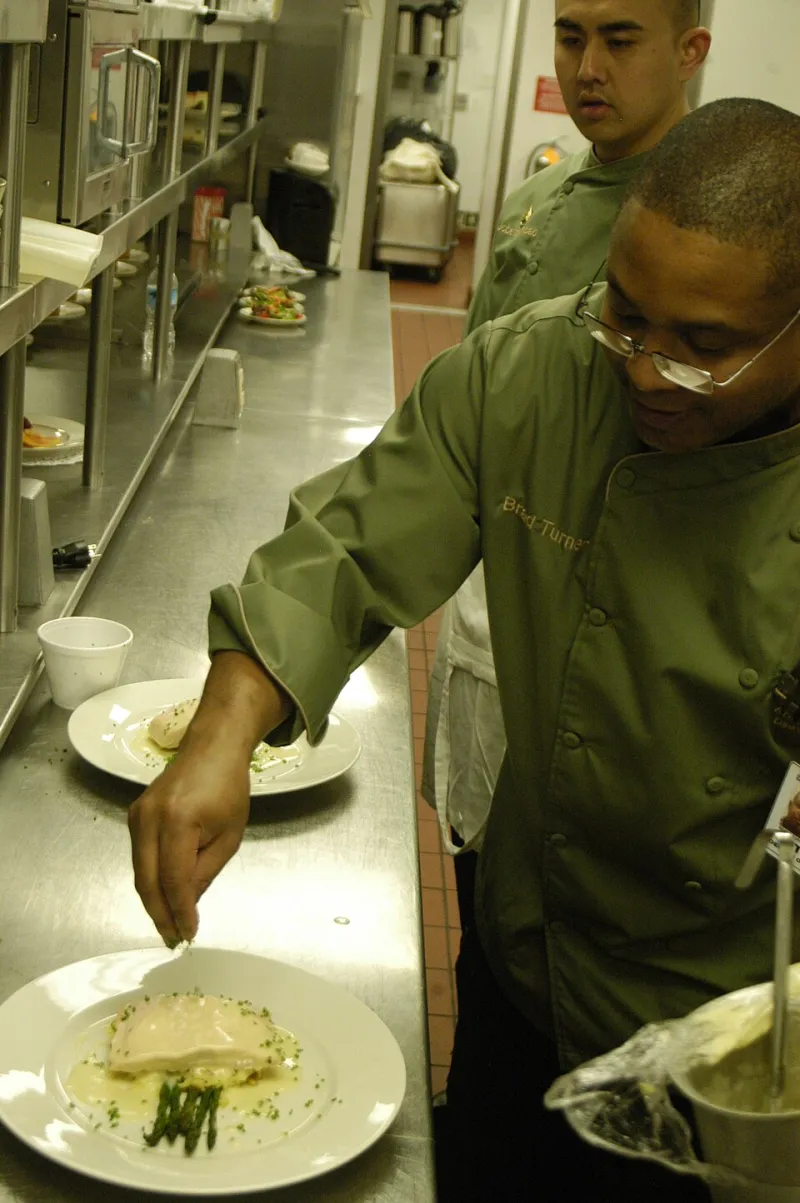
Photo: The U.S. Army, Public domain, via Wikimedia Commons
There's a moment right before a dish hits the plate — a beat between the pan and the pass — where a great cook reaches for something special. Not the shaker of table salt sitting next to the stove. Not the kosher salt they've been building flavor with all along. Something else entirely. A pinch of something flaky, aromatic, and intentional.
This is the salt finish, and it's quietly become one of the most talked-about techniques in American kitchens, both professional and home.
Why the Last Pinch Matters More Than You Think
Here's the food science part, and it's worth understanding before you go swapping out your Morton's. Salt doesn't just make food taste salty — it suppresses bitterness, amplifies sweetness, and enhances the natural glutamates that give food its savory depth. But when you add salt changes everything about how those effects land on your palate.
Salt added early in the cooking process dissolves into the food, drawing out moisture and integrating deeply into the cellular structure of proteins and vegetables. That's great for building baseline seasoning. But finishing salt — applied just before or right as food leaves the heat — stays on the surface. It doesn't dissolve completely. Instead, it creates bursts of salinity, adds textural contrast, and delivers whatever aromatics or minerals are baked into that specific blend right to the tip of your tongue.
The difference between a steak seasoned only at the start versus one finished with a flaky smoked sea salt? Night and day. You taste the char, the fat, the crust — and then the salt arrives like punctuation at the end of a really good sentence.
The Problem with One-Size-Fits-All Salt
Table salt is engineered for consistency. It's fine-grained, iodized, and anti-caking agents keep it flowing freely through your shaker. For utility, it's hard to beat. But that uniformity is exactly what makes it a poor finishing salt.
When you drop a pinch of standard table salt on a finished dish, it dissolves almost immediately, delivering a flat hit of sodium chloride without any of the textural drama or mineral complexity that elevates a dish from good to memorable. There's no crunch, no slow bloom of flavor, no layered character.
Chefs have known this for decades. What's changed is that American home cooks are finally catching up — and the market for specialty finishing salts has exploded as a result. More importantly, a growing number of chefs aren't just reaching for a single finishing salt. They're building collections of custom blends tailored to specific dishes, proteins, and even cooking styles.
How Chefs Are Building Their Signature Blends
Walk into the prep kitchen of a serious American restaurant and you'll often find a small lineup of labeled containers near the pass. Each one holds a different finishing blend, and each is matched to a specific category of dish.
For red meats, a common approach is to combine a coarse flaky sea salt with cracked black pepper, dried porcini powder, and sometimes a touch of smoked paprika. The mushroom powder amplifies the umami already present in a well-marbled cut; the smoke echoes any char from the grill. Applied right as the steak rests, it clings to the surface and creates a crust-like seasoning layer that holds up through slicing.
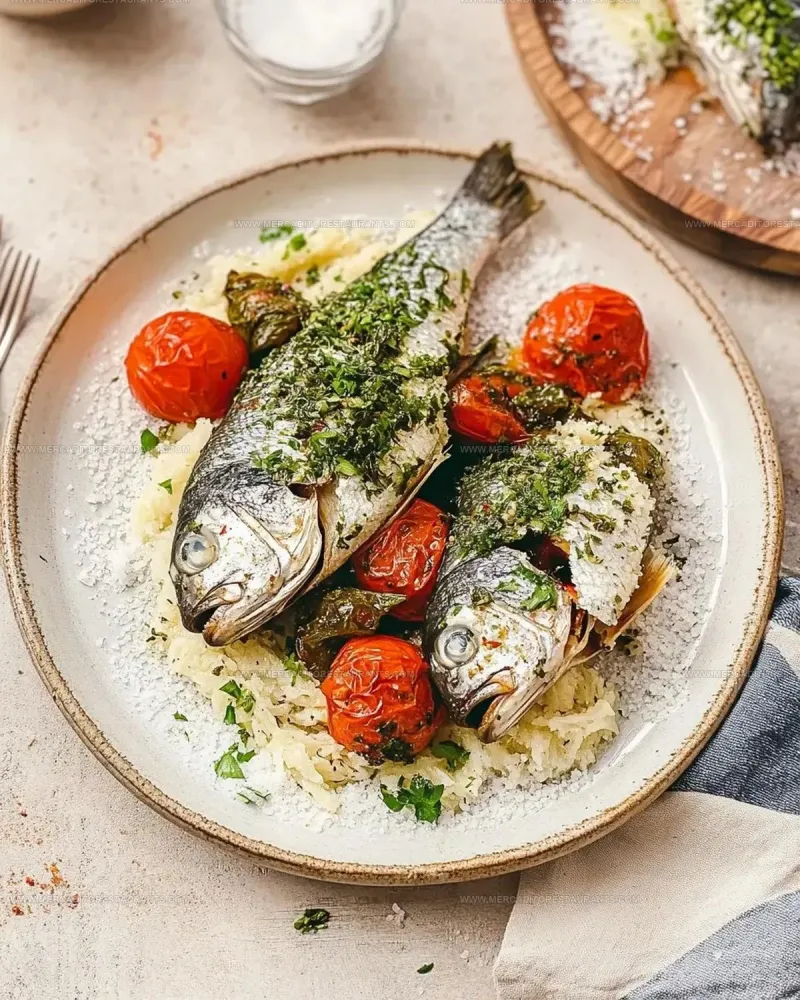
For fish and shellfish, the flavor profile shifts entirely. Chefs often lean toward lighter flakes — Hawaiian white sea salt or a fine Mediterranean fleur de sel — blended with citrus zest, fennel pollen, or dried herbs like tarragon. The goal here is brightness, not depth. You want the salt to lift the delicate flavor of the protein, not bury it.
Vegetables get their own treatment. Roasted root vegetables pair beautifully with finishing blends that incorporate a hint of sweetness — think sea salt with a touch of coconut sugar, cinnamon, and cardamom for roasted carrots or butternut squash. For grilled or charred greens like broccolini or asparagus, a blend with toasted sesame, chili flake, and a mineral-rich black lava salt adds complexity without overwhelming the vegetable's natural character.
Building Your Own Salt Collection at Home
You don't need a Michelin-starred kitchen to pull this off. Building a small, intentional finishing salt collection is one of the easiest upgrades you can make to your home cooking, and it starts with understanding a few key principles.
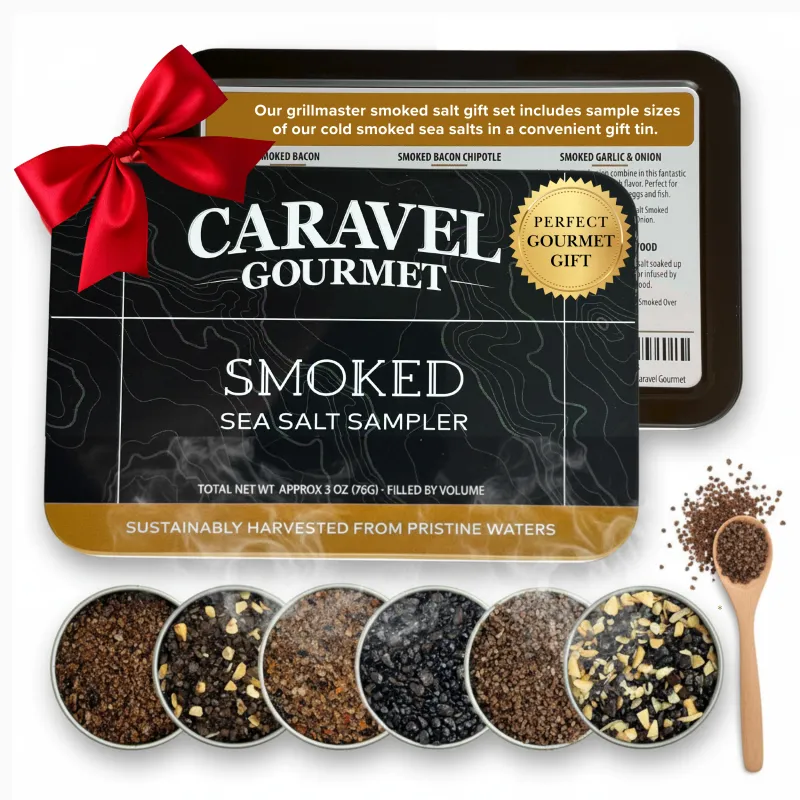
Start with the base. Choose your foundation salt based on the texture and mineral profile you want. Flaky sea salts like Maldon dissolve slowly and add crunch. Fleur de sel is delicate and slightly moist, perfect for lighter applications. Smoked sea salts bring immediate depth. Black or pink salts add visual drama and a slightly earthier mineral note.
Layer in aromatics thoughtfully. Dried herbs, spices, citrus zest, and umami boosters like dried mushroom or seaweed powder are all fair game. The key is restraint — a finishing blend should complement the dish, not compete with it. Two or three supporting elements is usually enough.
Match the blend to the protein or dish. Here's a simple starting framework:
- Beef and lamb: Smoked sea salt + cracked pepper + dried rosemary
- Chicken and pork: Flaky sea salt + lemon zest + dried thyme
- Fish and seafood: Fine sea salt + fennel pollen + dried dill
- Roasted vegetables: Flaky sea salt + smoked paprika + garlic powder
- Desserts and chocolate: Fleur de sel + vanilla powder (yes, really — try it on brownies)
Store them properly. Keep your blends in small airtight containers away from heat and moisture. Label them clearly. A little goes a long way, so don't feel like you need large quantities to start.
The Bigger Picture: Salt as a Finishing Ingredient
What this trend really signals is a shift in how American cooks — home and professional alike — are thinking about salt's role in the kitchen. For a long time, salt was treated as background infrastructure. You salted your pasta water, you seasoned your proteins before they hit the heat, and that was that.
But treating salt as a finishing ingredient — something applied with intention, specificity, and even artistry — changes the whole equation. It makes salt an active participant in flavor-building rather than a passive supporting character. And when that finishing salt is a custom blend designed for the exact dish you're making, the results speak for themselves.
The best part? You don't need to spend a fortune or attend culinary school to make it work. A few quality salts, some pantry staples, and a willingness to experiment is all it takes. Start simple, taste as you go, and don't be afraid to make the final pinch your own.
That last moment before the plate hits the table? That's yours. Make it count.