The 12-Jar Countertop Audit: Which Specialty Salts and Spice Blends Actually Pull Their Weight?

Photo: specialty salt jars and spice blends arranged on kitchen counter, via media-cldnry.s-nbcnews.com
A specialty salt shelf is easy to grow and hard to justify. You buy one smoked salt for a recipe, one flaky salt because it looked good in a photo, and one pink salt because someone said it was healthier. Two years later, you have twelve jars and no idea which ones actually make dinner better.
We ran 12 popular specialty salts and spice blends through a countertop stress test. The scoring was simple: versatility, cost per use, and whether the jar solved a real cooking problem. The goal is not a prettier shelf. It is a sharper pantry.
How We Scored
Versatility got a 1-to-5 score. A 5 means the jar earns a spot in weeknight cooking, holiday cooking, and finishing. A 2 means it is a one-trick pony. Cost per use was judged by how much you need per dish and how often you reach for it. Real-world testing covered roasted vegetables, eggs, steak, potatoes, soup, popcorn, and baking.
The 12-Jar Stress Test
1. Coarse Kosher Salt — Score: 5/5
Verdict: Keep on the counter. This is the workhorse. It is forgiving, easy to pinch, and good for dry brining, roasting, and pasta water. Cost per use is pennies. If you only keep one salt, keep this one.
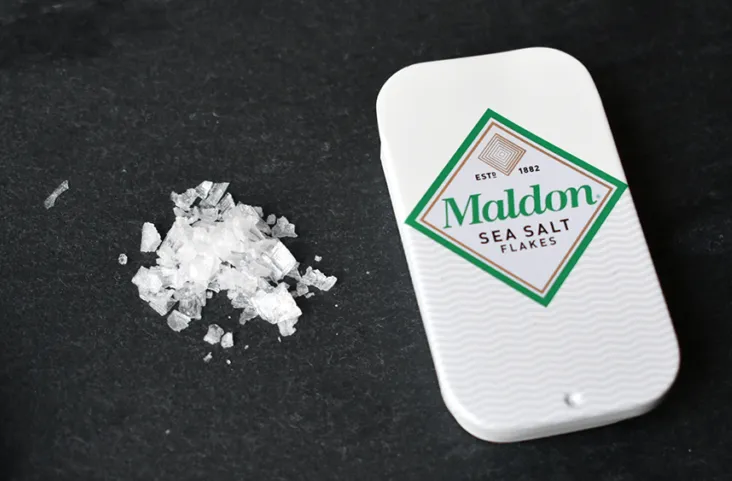
2. Flaky Finishing Salt — Score: 5/5
Verdict: Keep at the table. This is the jar that makes food feel finished. Use it on sliced meat, eggs, roasted vegetables, and cookies. It is more expensive per ounce than kosher salt, but you use so little that the cost per use is still low.
3. Fine Sea Salt — Score: 5/5
Verdict: Keep in a small jar by the mixing bowl. This is the salt for dough, brine, and sauces. It dissolves fast and distributes evenly. It is not flashy, but it is essential.
4. Smoked Salt — Score: 4/5
Verdict: Keep a small tin. A little smoked salt on roasted carrots, potatoes, or grilled steak is a great move. The catch is that it can overwhelm a dish fast. Buy the smallest size you can find and treat it like a spice, not a base salt.
5. Everything Bagel Seasoning — Score: 4/5
Verdict: Keep if you use it weekly. It is excellent on eggs, avocado toast, roasted vegetables, and even popcorn. If it has been in the cabinet for a year, it is clutter. The test is simple: have you used it in the last month?
6. Taco Seasoning — Score: 3/5
Verdict: Keep only if taco night is real. A good blend saves time on a busy weeknight. A mediocre blend is just salt, cumin, and garlic powder you already own. Check the label for anti-caking agents and too much sugar.
7. Za'atar — Score: 3/5
Verdict: Keep if you roast vegetables or eat yogurt. Za'atar is a beautiful thing on roasted cauliflower, flatbread, and labneh. It is less versatile than a basic spice blend, but it earns space if you actually cook with it.
8. Herbes de Provence — Score: 3/5
Verdict: Maybe. It is lovely on roast chicken and potatoes, but it overlaps with dried thyme, rosemary, and oregano. If you already own those, you can skip it. If you do not, it is a convenient shortcut.
9. Chili-Lime Seasoning — Score: 2/5
Verdict: Skip unless you love the specific flavor. Chili powder plus fresh lime juice is better and more flexible. This is the kind of jar that sounds fun and then sits in the back of the cabinet.
10. Sel Gris — Score: 2/5
Verdict: Nice, but not necessary. It is a moist, coarse sea salt with a good mineral flavor. The problem is that it overlaps with kosher salt and flaky salt. If you already have both, sel gris is a luxury, not a workhorse.
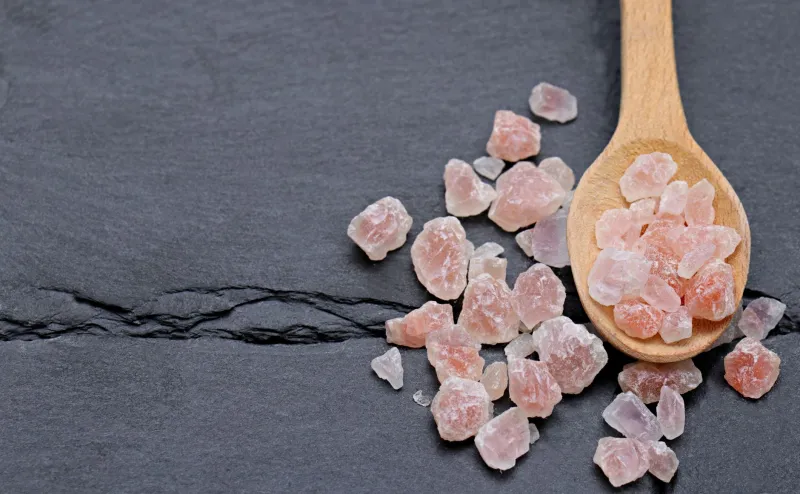
11. Pink Himalayan Salt — Score: 2/5
Verdict: Grinder only. It looks great on the table and works fine as a finishing salt, but the health claims are overblown. The mineral content is tiny. Buy it because you like the look, not because it will change your cooking.
12. Fleur de Sel — Score: 1/5
Verdict: Skip unless it is a gift. It is a beautiful finishing salt, but it is expensive and overlaps with flaky salt. If you already have a good flaky salt, you do not need both. Spend the money on a better olive oil instead.
The Countertop Rule
Three salts, two blends, one wildcard. That is the rule we would use in a real kitchen. Coarse kosher salt, fine sea salt, and flaky finishing salt cover almost everything. Add one spice blend you use weekly and one wildcard you genuinely love. The rest is shelf decoration.
A focused pantry is not about being minimal for the sake of it. It is about knowing what each jar does and reaching for it without thinking. If a jar has not earned a spot in your actual cooking, it has not earned counter space either.