The Thanksgiving Salt Clock: A Calm Countdown for Turkey, Gravy, and Pie
Thanksgiving 2026 lands on Thursday, November 26, and the bird is only one part of the salt story. Between the dry brine, the gravy, the mashed potatoes, and the pie, salt decisions stack up fast. The fix is not more salt. It is better timing.
Think of this as a salt clock: a practical, hour-by-hour plan that turns seasoning into the calmest part of the day. Print it, tape it to the fridge, and stop second-guessing the shaker.
Why Salt Needs a Schedule
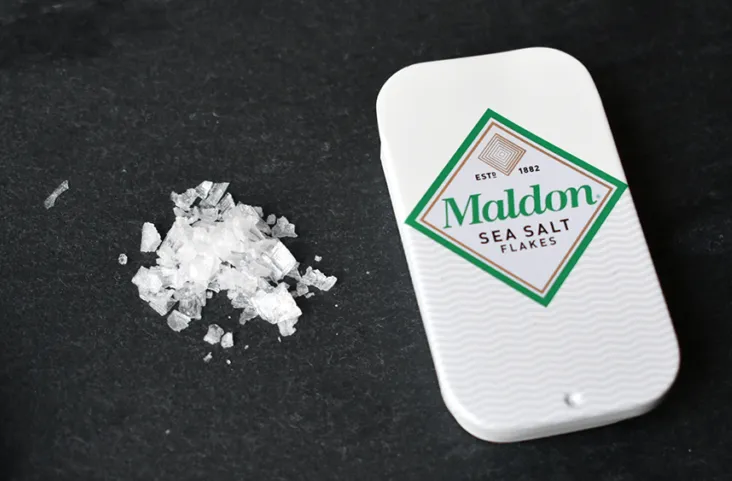
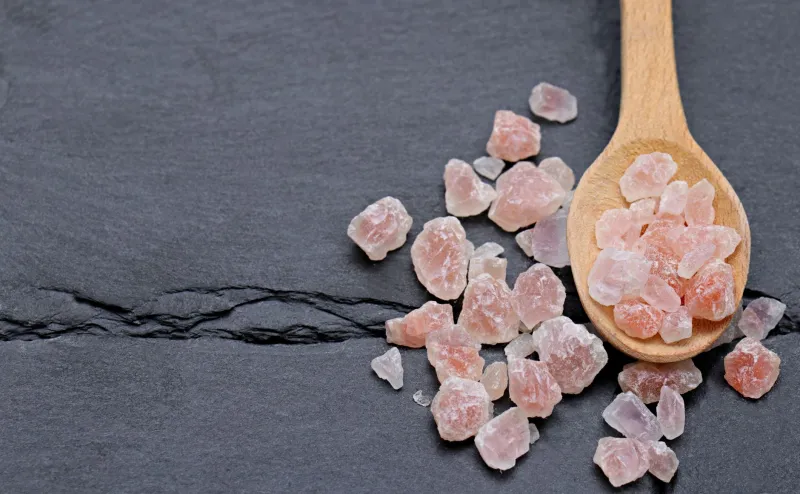
Salt moves. Given time, it pulls moisture to the surface, dissolves, and works its way back in. Given no time, it sits on top and tastes sharp. That is why a turkey salted 40 hours ahead tastes seasoned through, while one salted 40 minutes ahead tastes salty on the skin and bland at the bone. Different salts do different jobs, too. Coarse kosher salt is forgiving for dry brining. Fine sea salt disappears into dough and brine. Flaky finishing salt gives a crunch you can feel. The clock just tells you which job belongs when.
The Thanksgiving Salt Clock
Use this as a rough map. Adjust for bird size and oven quirks, but keep the order.
48 to 36 Hours Before: Dry-Brine the Bird
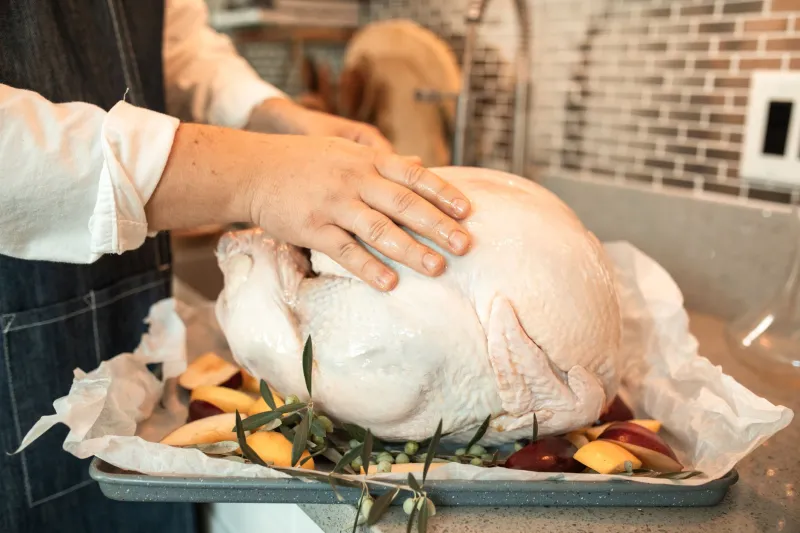
Tuesday night or Wednesday morning, set the turkey on a rack over a sheet pan. Pat it dry. Rub about 1/2 teaspoon of coarse kosher salt per pound all over, including the cavity. Do not rinse. Return it to the fridge uncovered. This is the one job that cannot be rushed. If you are using a pre-brined or kosher turkey, cut the salt by half and check the label.
24 Hours Before: Salt the Pie Dough and Stock
Make pie dough with fine sea salt and let it rest overnight. If you are making turkey stock, salt it lightly now; you can always add more later. This is also the moment to mix any spice rub for the bird. A simple blend of black pepper, smoked paprika, and a little brown sugar is enough. Hold the salt until you know how the dry brine went.
Wednesday Evening: Set the Salt Station
Fill a small bowl with flaky finishing salt. Put coarse salt in a pinch bowl near the stove. Keep fine sea salt by the mixing bowl. The goal is to avoid digging through cabinets with turkey hands.
Thursday, 7:00 a.m. — Pull the Bird
Take the turkey out of the fridge. Brush off any loose salt. Let it sit at room temperature for about an hour before roasting. Do not salt it again yet.
8:00 a.m. — Start the Stock and Salt the Gravy Base
Simmer turkey stock with onion, carrot, celery, and a pinch of fine sea salt. Keep it light. Gravy reduces, so over-salting now is a trap. You want a stock that tastes seasoned but not finished.
9:00 a.m. — Prep the Sides
Cut potatoes, squash, and vegetables. Do not salt everything yet. Salt the potatoes when they hit the pot, and salt the vegetables just before they go into the oven. If you are making stuffing, taste the mix first. Boxed stuffing is often salty enough.
10:00 a.m. — Roast the Turkey
Get the bird into the oven. For a 14- to 16-pound turkey, this timing gives you room to rest before a late-afternoon meal. Do not baste every 20 minutes. Opening the oven steals heat and slows the bird down.
11:00 a.m. — Boil the Potatoes
Cook potatoes in water that tastes like a well-seasoned soup. Drain them, then mash with butter and a little fine sea salt at the end. Salting the water seasons the potato from the inside; salting the mash finishes it.
12:00 p.m. — Roast the Vegetables
Toss vegetables with oil and a pinch of coarse salt right before roasting. If you salt them too early, they will release water and steam instead of browning. A little smoked salt is a nice move on Brussels sprouts or carrots, but go easy. Smoked salt is a finishing note, not a base layer.
1:00 p.m. — Make the Gravy
Strain the stock, make the roux, and build the gravy. Salt it at the very end, after it has reduced. If it tastes flat, add a pinch of fine sea salt and a splash of vinegar or lemon juice. If it tastes too salty, add more stock or a splash of cream. Do not panic-rinse anything.
2:00 p.m. — Check the Bird
Use a thermometer in the thigh without touching bone. You are looking for 165°F in the thigh and stuffing, though many cooks pull it a few degrees earlier and let carryover finish the job. If the skin is browning too fast, tent it loosely with foil.
3:00 p.m. — Rest the Turkey
Move the turkey to a cutting board and let it rest at least 30 minutes. This is not optional. Resting lets the juices settle so they do not end up on the board instead of the plate.
3:30 p.m. — Finish the Pie
A pinch of fine sea salt in the apple or pumpkin filling keeps dessert from tasting flat. If you are making whipped cream, add a tiny pinch of salt before whipping. Just before serving, a few flakes of finishing salt on the pie crust or a salted caramel drizzle gives you a sweet-salty edge that makes people ask what you did.
4:00 p.m. — Carve, Finish, and Serve
Carve the turkey and hit the sliced meat with flaky finishing salt at the table. Finish the vegetables with another pinch. Taste the gravy one last time. This is the moment for the good salt, the one with crunch and clean flavor, not the workhorse kosher salt you used for the brine.
The One Rule to Remember
Salt early when you need salt to move. Salt late when you need salt to sit on the surface. Thanksgiving is not the day to improvise every pinch. A simple salt clock keeps the turkey juicy, the gravy balanced, and the pie memorable. That is a better holiday than a frantic search for the salt grinder at 4:12 p.m.