When Premium Salt Works Against You: The Mineral Overload Nobody Warns You About
There's a moment every home cook knows. You crack open that gorgeous jar of hand-harvested sea salt — the one with the interesting gray tint and the earthy smell — and you finish your delicate lemon butter sauce with a confident pinch. Then you taste it. Something's off. The brightness you were chasing is gone, replaced by a flat, almost metallic heaviness that wasn't there before.
You didn't do anything wrong. You did everything wrong.
This is the salt paradox nobody in the specialty food world likes to talk about: the more mineral-dense a salt is, the more easily it can overwhelm what you're cooking. Expensive doesn't always mean better. Sometimes it means louder — and loud is the last thing a quiet, delicate dish needs.
What's Actually in That Fancy Salt
Table salt is almost entirely sodium chloride — usually 97 to 99 percent. That leaves almost no room for anything else. Specialty salts, though? They're a different story.
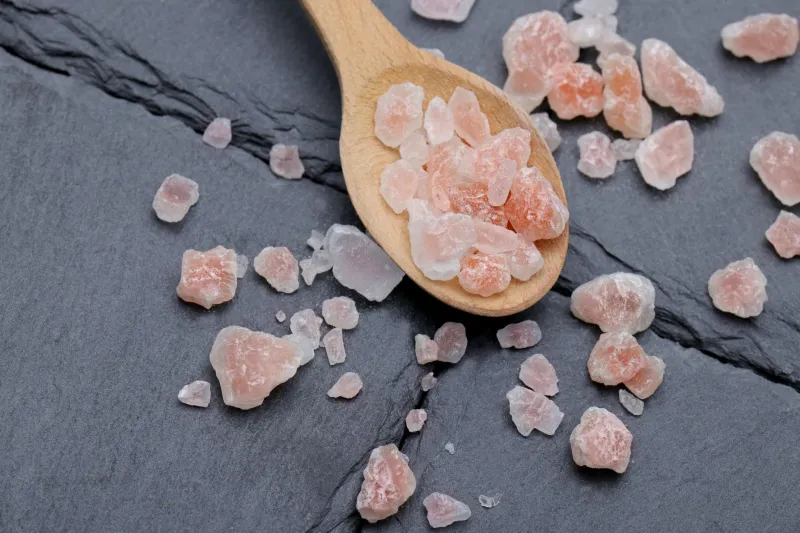
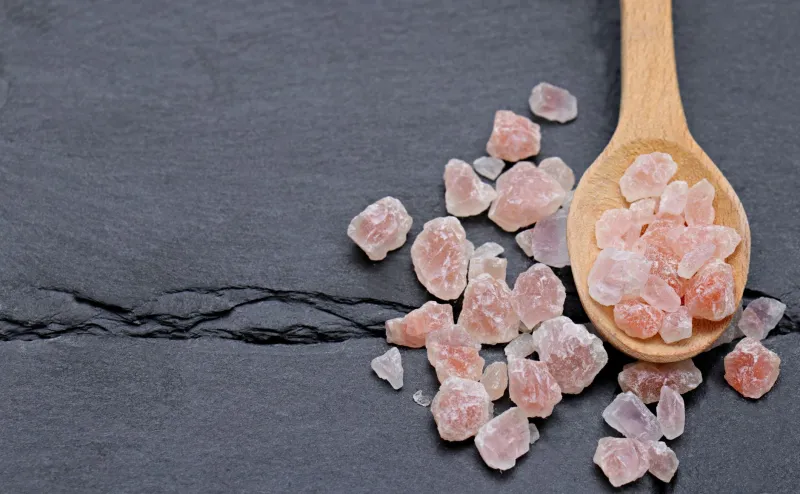
A good French gray salt (sel gris) or a deep-harvested Himalayan pink salt can contain measurable amounts of magnesium, calcium, potassium, iron, and sulfur compounds. These minerals are part of what gives those salts their distinctive look, smell, and flavor. They're also exactly what makes those salts tricky to use.
Magnesium chloride, for example, carries a slight bitterness. Calcium sulfate has an earthy, almost chalky edge. Potassium chloride — found in trace amounts in many sea salts — adds a faint metallic note that most people can't quite name but definitely notice. Individually, these compounds are subtle. Stack them together at the wrong concentration on the wrong food, and they stop playing background music. They take over the whole room.
The Dishes That Take the Hardest Hit
Not every dish is equally vulnerable to mineral overload. The ones that suffer most tend to share a few qualities: they're light, they're acidic, or they rely on a clean, singular flavor note.
Delicate seafood is probably the most common casualty. A barely-seared scallop or a crudo dressed with good olive oil and citrus has almost no fat or protein mass to absorb and buffer aggressive minerals. Drop a high-magnesium gray salt on top and you're not enhancing anything — you're competing with the natural sweetness of the scallop and usually winning in the worst way.
Fresh fruit and lightly dressed salads are another vulnerable category. A watermelon and feta salad, a peach burrata, a cucumber ribbon situation — these dishes are built on brightness and contrast. A mineral-heavy finishing salt can muddy that contrast fast, dragging everything toward a dull, earthy baseline when the whole point was lift and freshness.
Egg dishes — especially soft scrambled eggs or a simple fried egg — are surprisingly sensitive too. Eggs have a delicate sulfur chemistry of their own. Introduce additional sulfur compounds from a mineral-rich salt and you can amplify that eggy note past the point of pleasant into something that reads almost funky.
Mild white fish like tilapia, sole, or halibut also tends to get buried. These proteins don't have the fat or bold flavor to hold their own against a highly complex salt.
The Chemistry of Mineral Intensity vs. Dish Intensity
Here's the framework that actually helps: think about matching mineral intensity to dish intensity the same way you'd match wine to food.
Robust, fatty, intensely flavored dishes can handle — and honestly benefit from — a mineral-rich salt. A thick ribeye, a slow-braised lamb shoulder, roasted root vegetables with brown butter, a dark chocolate dessert — these all have enough going on structurally and flavor-wise to absorb and integrate complex mineral notes. The minerals don't overpower because there's already a lot of power in the dish.
But when the dish is quiet, the salt has to be quiet too. Or at least, its mineral profile does.
A clean, high-purity flake salt — something like a Cyprus flake or a good domestic flake salt with minimal mineral complexity — gives you the textural finish and the clean salinity without the extra noise. You get the enhancement without the interference.
Real-World Pairings That Backfire
Let's get specific, because vague warnings don't actually help anyone at the stove.
-
Himalayan pink salt on a lemon vinaigrette: The iron content in Himalayan salt can subtly clash with citric acid, pushing the flavor toward metallic rather than bright. Use a cleaner flake here.
-
Sel gris on fresh mozzarella: Gray salt's magnesium bitterness fights with the milky sweetness of good fresh mozzarella. Save the sel gris for grilled meats or roasted vegetables where that earthy edge is an asset.
-
Black lava salt on delicate white fish: Black lava salt (activated charcoal infused) looks stunning, but the charcoal component can absorb and mute volatile aroma compounds — the exact compounds responsible for the fresh, oceanic smell you want from good fish.
-
High-mineral sea salt in a light herb butter: The bitterness of mineral-heavy salts can clash with the grassy, volatile aromatics in fresh herbs like tarragon or chervil, dulling the herbal note instead of framing it.
When Restraint Is the Flex
Here's the thing about working with premium salts — knowing when not to use them is actually the advanced move. Any cook can throw their most expensive salt on everything and call it elevated. It takes real understanding of flavor mechanics to reach for the simpler option because you recognize the dish needs space, not complexity.
That's not a knock on mineral-rich salts. They're genuinely extraordinary on the right food. A smoky, mineral-forward salt on a charred skirt steak is one of the best things you can do to a piece of meat. Sel gris stirred into a hearty lentil stew adds a depth that cleaner salts just can't replicate. The minerals earn their place when there's something bold enough to hold them.
The mistake isn't buying the fancy salt. The mistake is assuming that expensive automatically means appropriate.
How to Build a Smarter Salt Rotation
If you want to stop guessing and start cooking with intention, here's a simple mental sorting system:
High-mineral salts (gray salt, Himalayan pink, some coarse sea salts): Best on grilled and roasted meats, hearty vegetables, stews, chocolate desserts, anything with fat and intensity.
Mid-mineral flake salts (most quality sea flakes, some smoked salts): Versatile finishers for medium-intensity dishes — pasta, roasted chicken, grain bowls, ripe tomatoes.
Low-mineral, clean salts (pure flake salts, fine sea salt with minimal processing): Your go-to for delicate seafood, fresh fruit, light dressings, egg dishes, and anything where you want salt's presence without its personality.
Building that kind of rotation isn't about spending more — it's about spending smarter and using what you have with more precision. That's what actually makes food taste better. Not the price tag on the jar.
So the next time a dish falls flat despite your best finishing salt, don't blame the salt entirely. Ask whether the salt you chose was the right match for what was on the plate. Sometimes the most expensive option in your cabinet needs to sit this one out.